October 2026 · 4 min read
First Food Pantry Visit? A Simple Guide for San Antonio
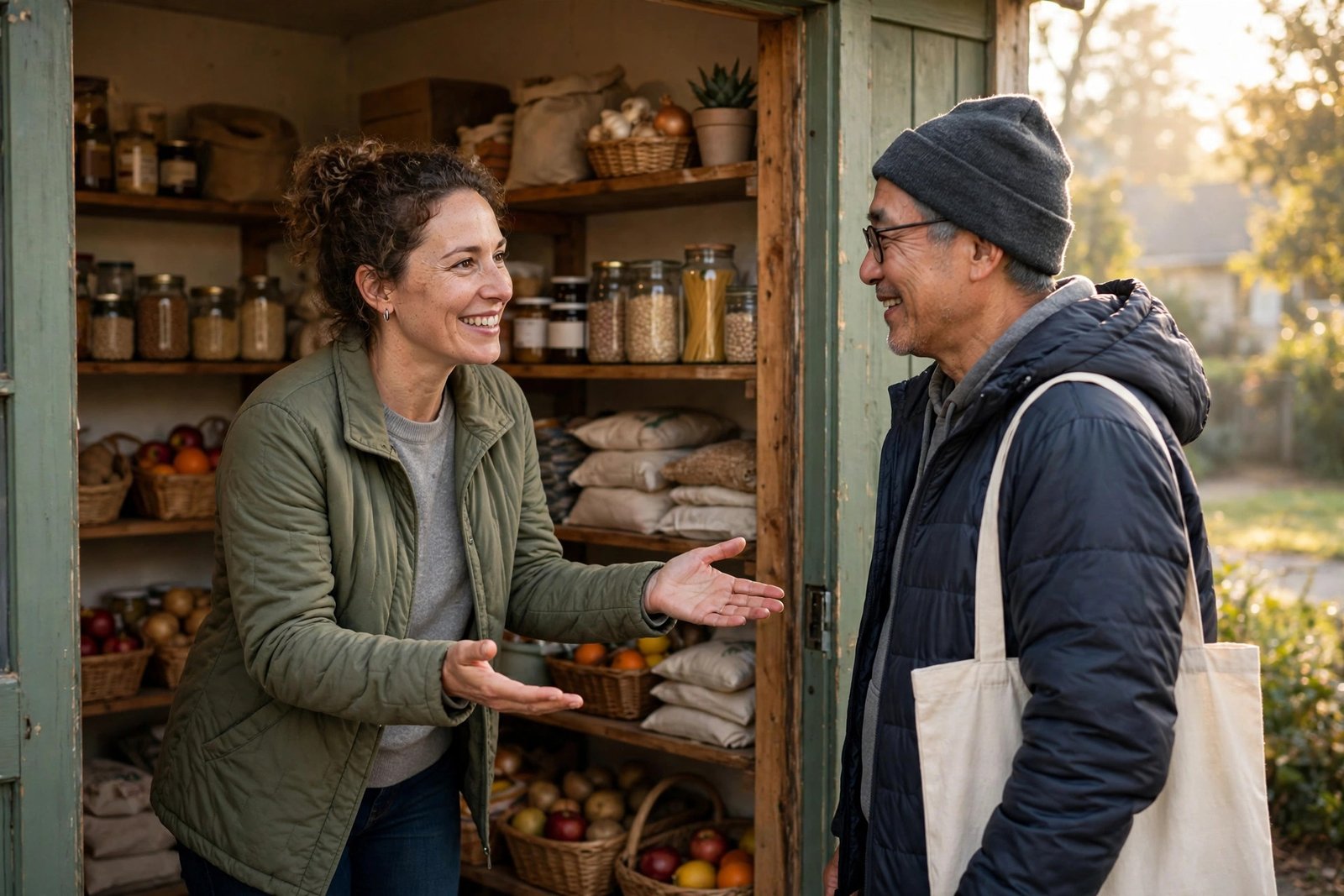
The first time is the hardest — not because of the food, but because of the door. If you've been thinking about visiting a food pantry and keep putting it off, this guide is for you: what it looks like, what to bring, and why you'll wish you'd gone sooner.
What a food pantry visit looks like
Picture a church fellowship hall, a community center, or a small storefront. You walk in and there's a welcome table. You sign in — usually just your name and maybe a ZIP code or household size. Then volunteers hand you bags of groceries, or let you choose items from shelves like a small grocery store.
The whole visit takes ten to twenty minutes. The volunteers do this every week; to them, you're simply the next neighbor in line.
What to bring
- An ID, if you have one. Some pantries ask for a photo ID — many don't. Either way, bring it if you have it and don't stay home if you don't.
- Bags or a box. A couple of sturdy grocery bags or a rolling cart makes the trip home much easier.
- Patience, just a little. Popular pantries can have a short line. It moves fast.
When to go
Pantries run on set schedules — certain days, certain hours. Check the listing before you go: our free groceries page shows each pantry's schedule, and open now shows what's serving at this moment.
Arriving a little early usually means the best selection, especially for fresh items.
What you'll take home
Every pantry stocks differently, but a typical visit covers the basics: canned vegetables and fruit, rice, pasta, beans, bread, and shelf-stable milk or protein. Depending on the day, you might also get fresh produce, eggs, dairy, or meat.
It's real food, in real quantities — enough to noticeably shrink your grocery bill.
There's no shame — just groceries
Here's what first-timers learn within five minutes: nobody is judging you. The volunteer handing you a bag has handed out thousands. The person in line ahead of you was nervous their first time too.
Food pantries exist because feeding your family is one of the most practical things a person can do. Walking through that door is a smart decision, not a confession.
After your visit
Tell a neighbor. The hardest part of food help is knowing it exists — and someone you know is standing where you stood last week. And when you're back on your feet, consider volunteering: an hour at a pantry keeps the whole thing running for the next first-timer.
Find your first pantry
24 verified pantries across San Antonio — search by your ZIP and pick the one closest to home.